3 Amazon Selling Myths Every New Seller Should Know

1
min read
October 7, 2026
Selling on Amazon can feel almost impossible when you’re just getting started.
You find a product that looks like a winner, only to discover you’re gated. Or maybe you can sell it, but Amazon’s fees wipe out most of the profit. Then you hear that buying inventory from retail websites could put your account at risk.
It’s easy to look at all of that and wonder how anyone actually makes money selling on Amazon.
The truth is, many of these roadblocks aren’t as difficult to overcome as they seem. You just need to understand how Amazon works and know what to look for.
Let’s break down three of the biggest misconceptions holding new sellers back and how you can overcome them.
Myth #1: Big Brands Are Off-Limits
For new sellers, the best place to start is finding out what you can already sell. You may be surprised by how many brands are already available to you.
Boxem’s Bulk Ungate feature makes this easy. Instead of checking ASINs one at a time in Seller Central, you can scan large product lists or use the pre-loaded Suggested ASINs List to find brands you’re already approved to sell without manually submitting applications.
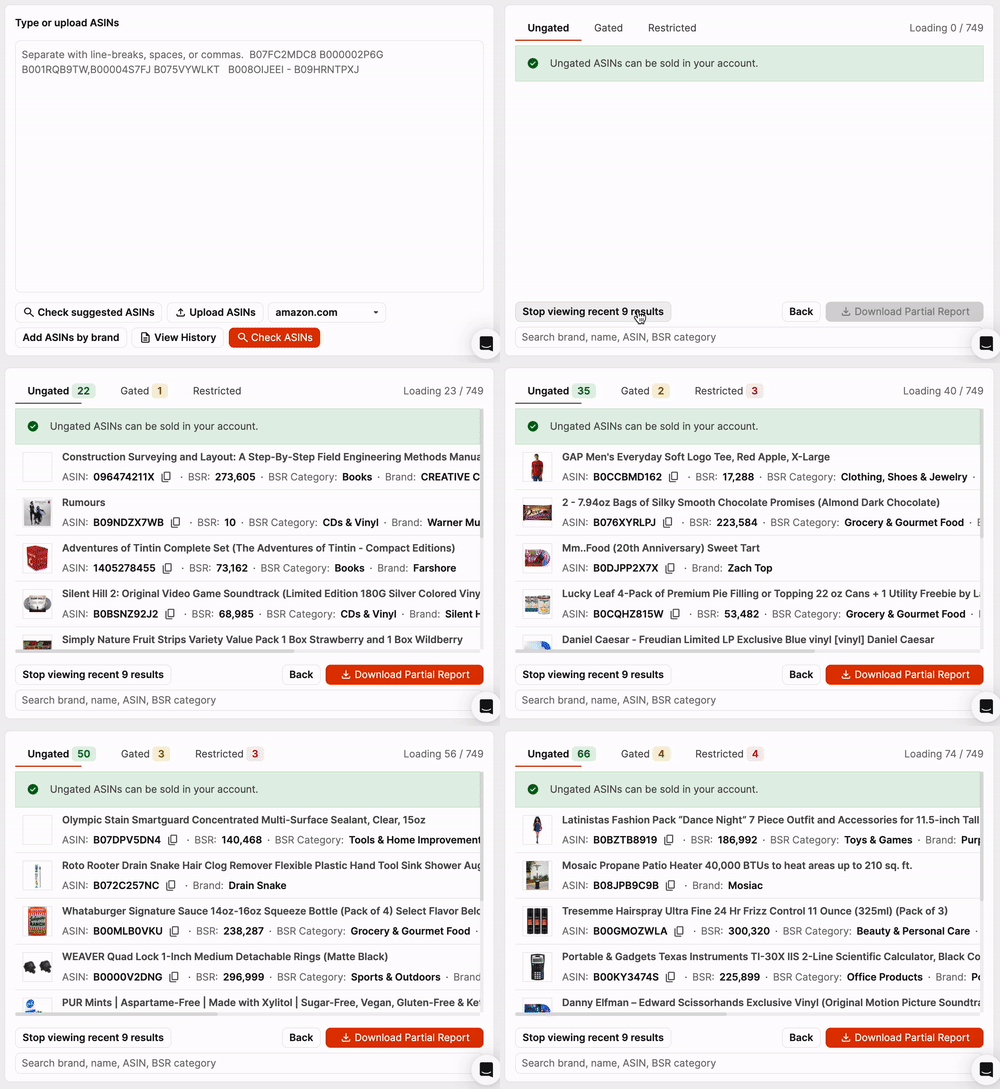
But don’t stop at the brands you’re already ungated for. Seeing a brand marked as gated doesn’t mean it’s off-limits forever. Click the Ungate button in Boxem to check what Amazon requires for approval.
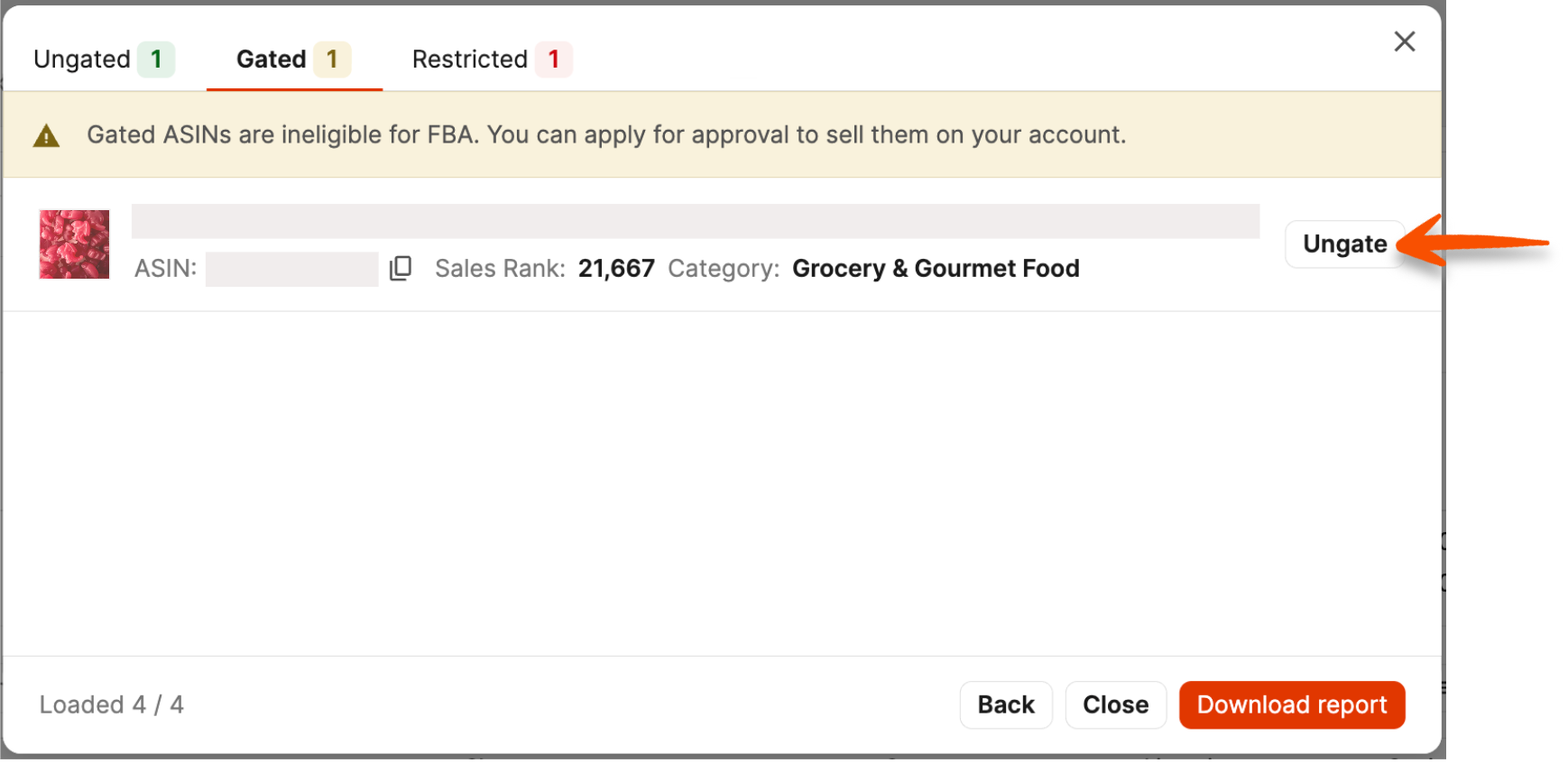
For example, if you need approval to sell Life Savers candy, you can purchase the required inventory from a legitimate retailer like Target, then submit the order confirmation and any additional documentation Amazon requests, such as shipping information.
If you get declined, don’t assume the process is over. Getting declined is totally normal and part of the process.
In fact, it often takes multiple applications before you get approved. Just make sure your documentation meets Amazon’s requirements and keep trying.
Keep working to expand the number of brands you can sell instead of assuming a single rejection means you’re stuck. Once you start looking at gated brands this way, they become potential sourcing opportunities rather than dead ends.
Myth #2: Profitable Products Should Be Obvious
This is one of the biggest sourcing mistakes new sellers make. You open a retailer’s website expecting to find a $10 product selling for $40 on Amazon. Sometimes those home runs exist, but you shouldn’t rely on them.
The goal isn’t always to find profitable products. It’s to find ways to make products profitable.
When a product looks unprofitable after Amazon fees, look for ways to bring down the buy cost with coupons and discounted gift cards from legitimate sites like CardBear.
Try using a catch-all email address when sourcing online. It lets you sign up for retailer emails and collect first-order coupons while keeping sale alerts out of your main inbox. You can even use multiple email aliases to sign up for the same promotions, letting you reuse qualifying discounts.
Boxi, Boxem’s AI Assistant, can also help. While you’re sourcing, ask Boxi about potential discounts, sales, clearance opportunities, or other ways to lower your buy cost for a specific brand or retailer.
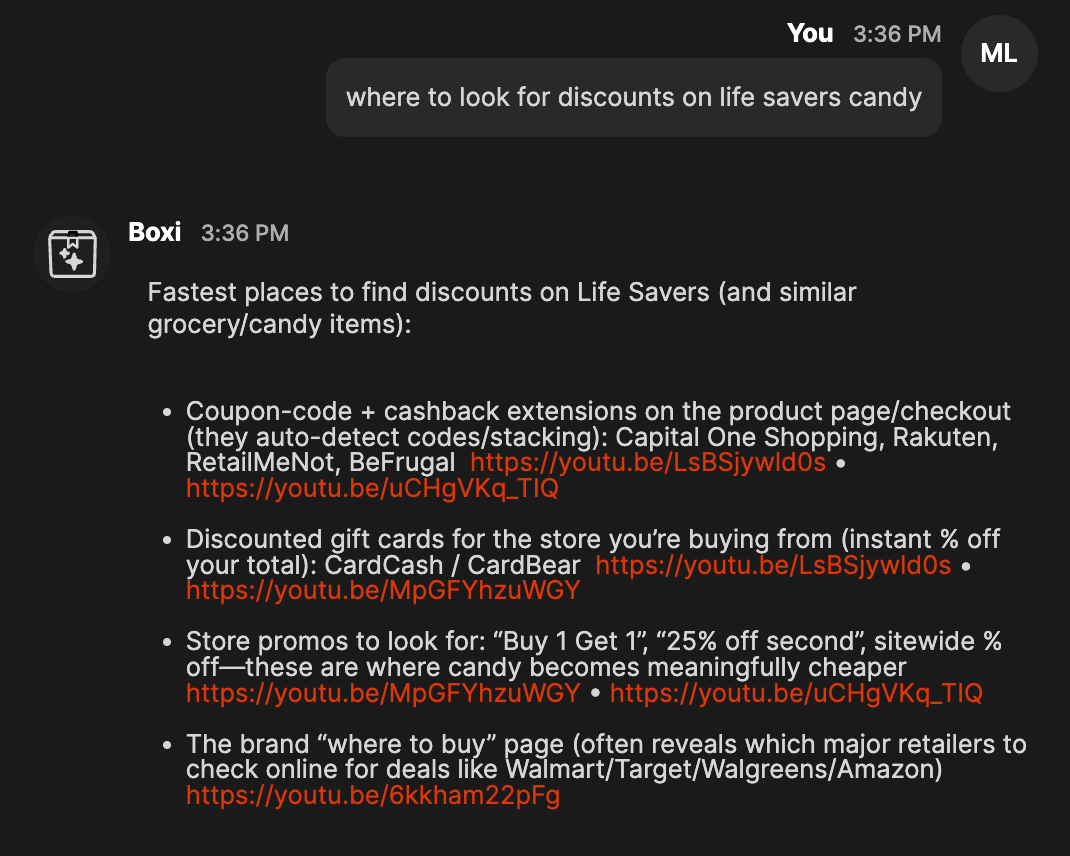
A product that looks like a pass at first glance can look very different once you stack discounts.
Myth #3: Buying From Retailers Will Get You Banned
Another misconception keeps new sellers away from name-brand products: the idea that Amazon will automatically ban you for buying inventory from retail websites.
The reality is that legitimate retail sourcing can be supported with legitimate documentation.
For example, if you purchased inventory directly from a brand’s website, you should receive emails with the order confirmation, delivery info, and tracking details showing where the products came from. Always keep those records handy so you can send them to Amazon if requested.
One especially important detail is the address on your order confirmation. Make sure either the shipping address, the billing address, or both match the billing address associated with your Amazon seller account. This helps connect the purchase to your seller account if Amazon asks you to verify the inventory.
There’s also a big difference between buying from a legitimate retailer and buying from a random website because the price looks unbelievably cheap. If a deal feels too good to be true, it probably is.
Stick with legitimate sources you trust and that Amazon recognizes, like brand websites and major retailers such as Target and Walmart. Saving a few dollars on inventory isn’t worth risking a much bigger problem down the road.
Don’t Make Amazon Harder Than It Needs To Be
Don’t let these common Amazon myths keep you from finding your next profitable product.
When a product looks unprofitable, take a closer look at the numbers and find ways to lower your buy cost. If a brand is gated, don’t assume it’s off-limits. And when you find inventory that works, keep your order confirmations and invoices handy, so you’re prepared if Amazon ever asks where it came from.
Start with the brands you can sell, look for ways to make the numbers work, and let Boxem help you find more opportunities along the way.
Ready to further debunk these Amazon selling myths? Check out the complete guide on YouTube, available to watch for free:
Subscribe to our Weekly Newsletter
No spam, notifications only about new products, updates.
.png)

Get Started Today,
Ship Smarter with Boxem
Boxem streamlines all operations so you can focus on what truly matters.
.png)