How to Find Profitable Amazon FBA Products: 5 Things to Check

1
min read
November 19, 2026
Finding profitable Amazon products isn't just about spotting a good deal. Products that look great today can become money traps when prices drop, competition increases, or Amazon takes over the listing.
The key to successful sourcing is spotting bad buys before you spend money. Here are five quick checks to help you avoid risky inventory and find better opportunities.
Getting Started With Amazon Product Research
If you're new to Amazon and aren't sure what products you can sell, Boxem's Bulk Ungate Checker is a great place to start.
The Suggested ASINs List helps you discover products and brands you may qualify to sell through auto-approval, giving you a starting point for product research.

You can also use the tool for storefront stalking by exploring other Amazon sellers' storefronts to discover products worth sourcing. Scan the ASINs you find to see which ones you're already approved to sell and which may require ungating.
Use those brands as a starting point for product research. Look for products with established demand, reasonable competition, and stable pricing.
5 Red Flags to Watch for When Sourcing Products
1. Make Sure the Brand Matches
Check that the brand listed on Amazon matches the one printed on the product packaging. A mismatch could create potential IP (Intellectual Property) issues, especially if the listing isn't associated with the actual manufacturer.
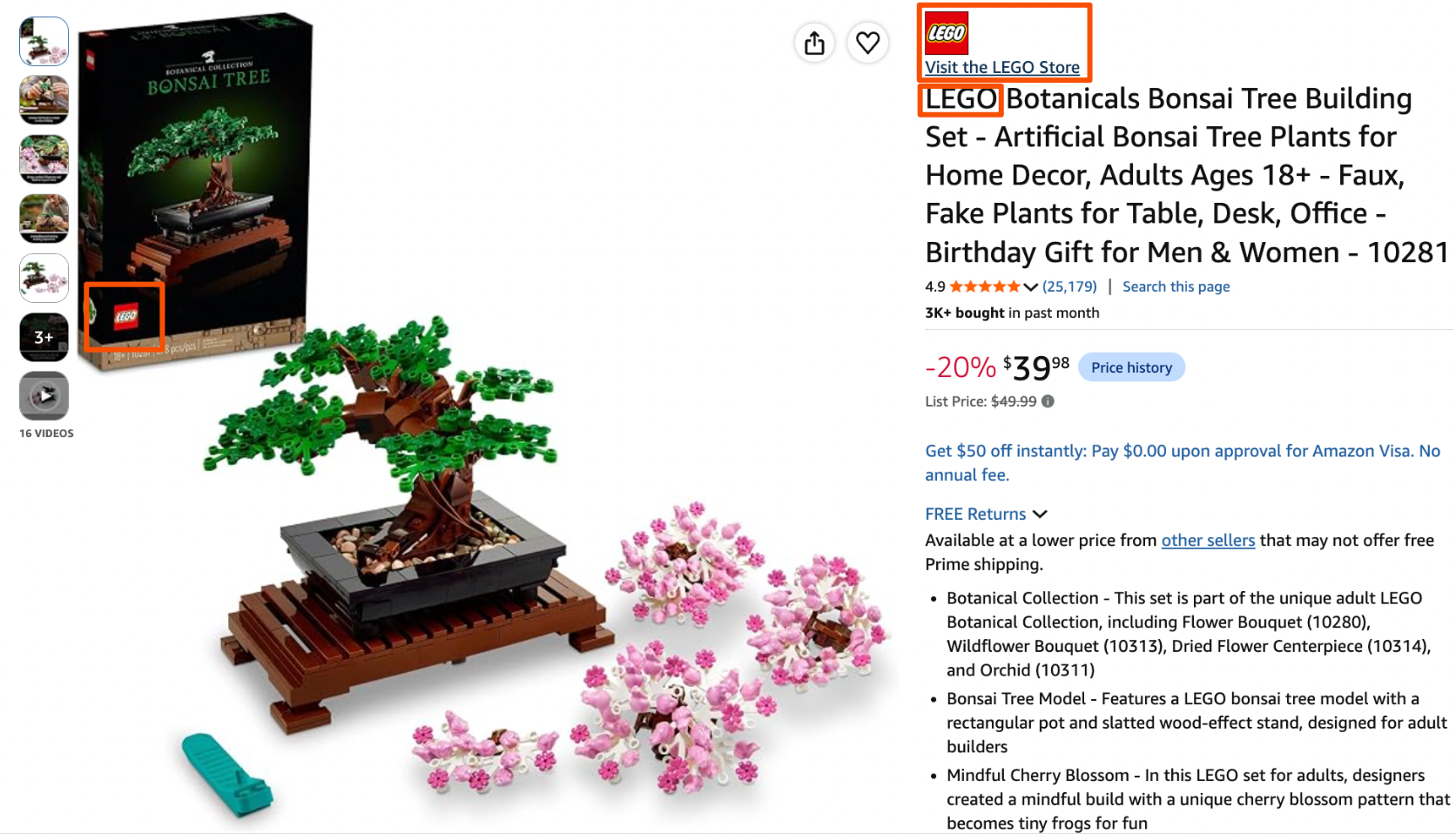
If the brand names don't match, skip the product.
2. Watch for Brands Kicking Sellers Off Listings
A product can have great sales volume but still be a bad buy if the brand owner is removing third-party sellers.
Use a product research tool like SellerAmp to check seller-count history. If a listing previously had 20–30 sellers and suddenly drops to one, the brand may have taken control and removed competing sellers.
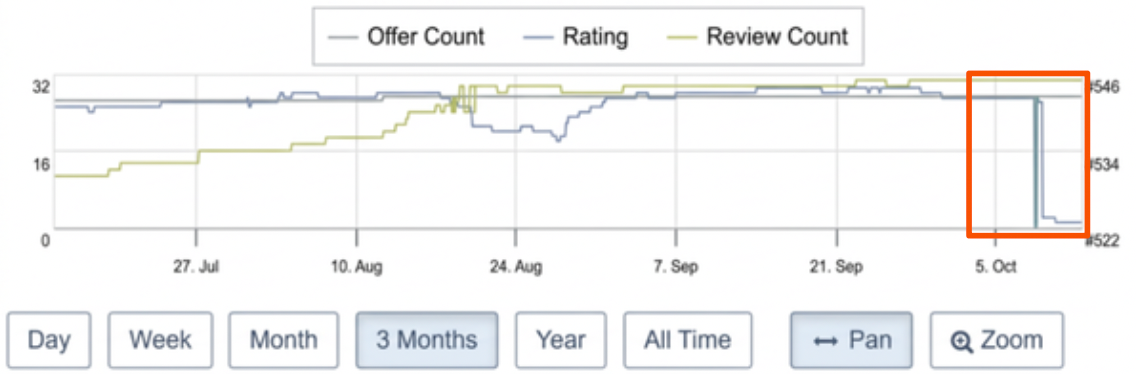
This is a major red flag if you're planning to jump onto that listing.
3. Avoid Listings Where Amazon Dominates Sales
Competing with Amazon isn't always a dealbreaker, but it becomes a problem when Amazon is winning nearly every sale.
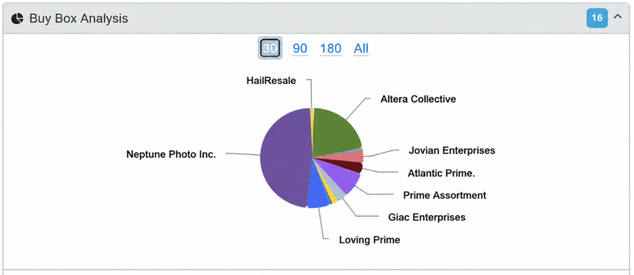
Use your research tool to check who's actually getting the Buy Box. If Amazon is responsible for 100% of recent sales, there's little reason to expect a new third-party seller to start moving inventory.
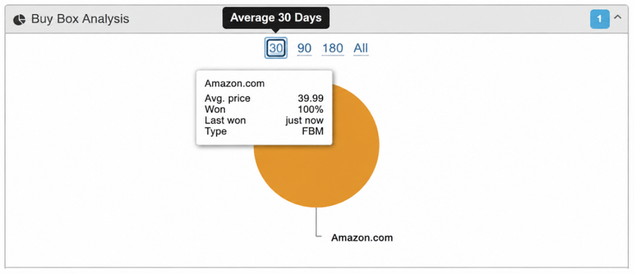
Focus on listings where independent sellers consistently get sales.
4. Don't Trust a Temporary Price Spike
A product selling for $107 today might look profitable if it costs $60 to source. But what if it normally sells for $50? That's why checking historical pricing matters.
Look at the 90-day average Buy Box price instead of relying on today's price. A sudden spike could be temporary, and buying based on inflated prices can quickly wipe out your profit.
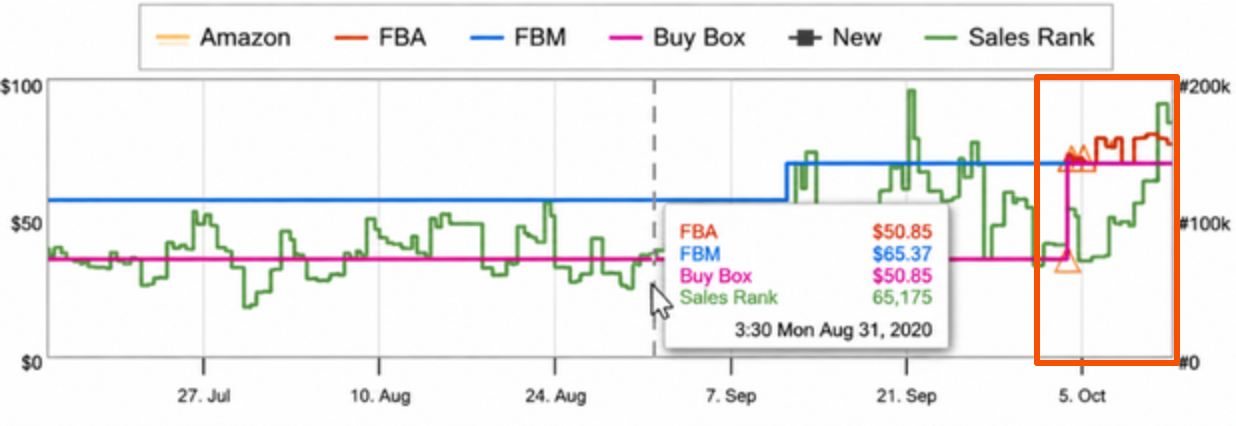
A good rule of thumb is to aim for at least 20% ROI using the 90-day average selling price. This helps ensure a product is profitable under normal conditions, not just during a temporary price increase.
5. Watch for Increasing Competition
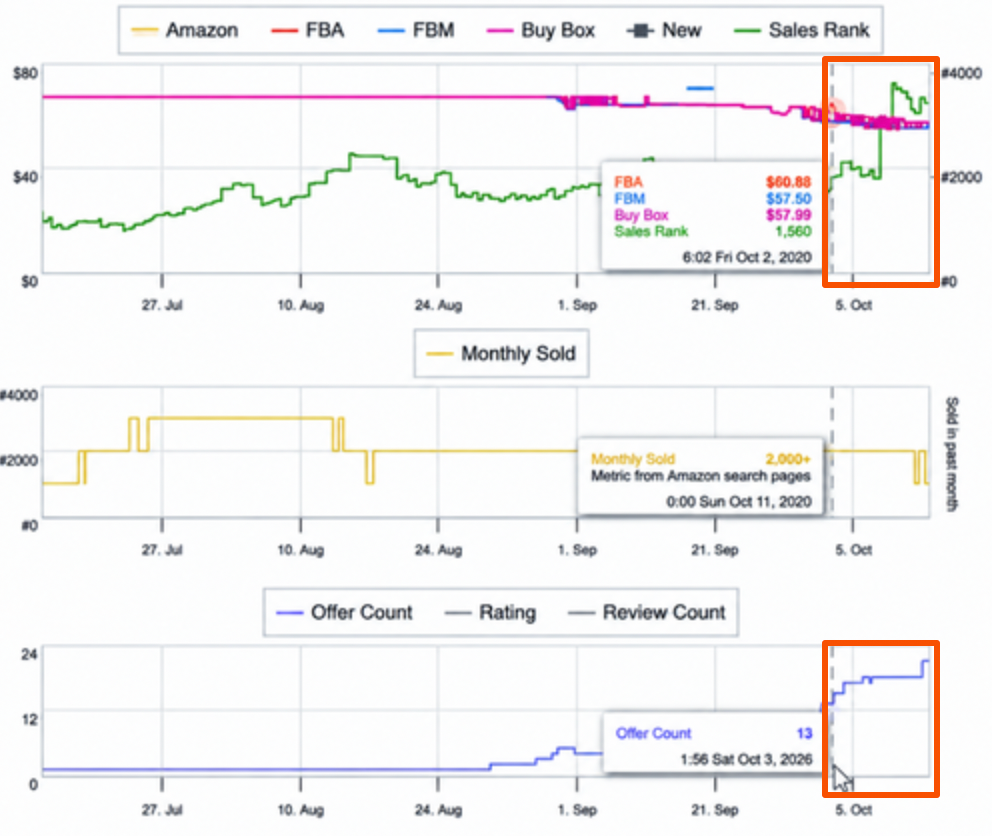
Another warning sign is a listing where the seller count is climbing while sales remain flat or slow down.
If demand stays the same but 20 new sellers suddenly jump onto a listing, everyone is competing for the same customers. Eventually, sellers start lowering prices to win sales, and the listing can turn into a race to the bottom.
Check the seller count alongside sales rank. More competition and slower sales can put pressure on selling prices, making it harder to stay profitable.
What Profitable Sourcing Looks Like
Once you know what to avoid, it's easier to spot products worth buying. Here are a few examples:
A small DEWALT screwdriver set purchased from a tool supplier for around $5 could sell for $20.85 on Amazon, earning approximately $7 profit per unit with 500 monthly sales.
A pack of Crocs Jibbitz Shoe Charms normally priced around $20 at DSW could be purchased for $14 using a retailer coupon and resold for nearly $40 on Amazon, earning about $13 profit per unit.
A navy XL Nautica cotton polo available for $16 during a 20% off site-wide sale could bring in $7 profit per unit on Amazon. Check other variations, such as different styles, sizes, and colors, for even more opportunities.
The takeaway? You don't need expensive products or huge profit margins to make money. Sometimes, a good deal on a product with steady demand is all it takes.
Find Profitable Products Without the Risk
Successful sourcing isn't just about buying everything that looks profitable. It's also about knowing what to avoid.
Before purchasing inventory, check the brand, seller history, Amazon's share of sales, historical pricing, and competition. These five checks can help you avoid bad buys and put more money toward inventory that actually sells.
Want to see these strategies in action? Watch the free YouTube video for a closer look at finding profitable Amazon FBA deals:
Subscribe to our Weekly Newsletter
No spam, notifications only about new products, updates.


Get Started Today,
Ship Smarter with Boxem
Boxem streamlines all operations so you can focus on what truly matters.