The Amazon Account Protection Checklist Every Seller Should Follow

1
min read
July 16, 2026
.png)
Building a successful Amazon business takes more than finding profitable products; it also means making smart decisions that protect your seller account. One questionable supplier or a single harmless shortcut can trigger account reviews, inventory holds, or even a suspension.
The good news is that most account issues are preventable. Protecting your Amazon business isn't about luck. It's about developing good habits from day one. Here's the playbook experienced sellers use to keep their accounts healthy for years to come.
Be Prepared for a Section 3 Review
Even if you haven't launched your business yet, you’ve probably heard whispers about Section 3 account reviews. These reviews are part of Amazon's efforts to keep counterfeit and inauthentic products off their marketplace.
Being selected doesn't automatically mean you've done anything wrong. Amazon simply wants to verify that the inventory you're selling came from legitimate sources.
The best way to prepare is to build good sourcing habits from day one. Buy inventory from reputable retailers and keep your order confirmations, receipts, and invoices organized. If Amazon ever asks where you purchased a product, whether it's a Darth Vader Funko Pop or a household essential, you'll be able to quickly provide the documentation they need.
The easier it is to prove where your inventory came from, the faster you can move through the review process and get back to selling.
Protect Your Account with Smarter Sourcing
Sticking to big-box sites is a great foundation, but you still have to watch where you click. Many major retailers have opened their sites to third-party marketplaces, which introduces risk if you don’t know what to look out for.
When sourcing online, always check who the item is shipped and sold by. If you buy an item on Walmart’s site that is actually shipped and sold by an unverified third-party vendor, you could be gambling with your store's life. If Amazon flags that item, they can reject your invoice.
The same goes for wholesalers. Legitimate distributors typically require a business application and resale certificate. Don’t trust flashy websites advertising Amazon profits or specific ASINs.
Don't Retail Drop Ship
Some new sellers try to take a shortcut to avoid buying inventory upfront. They list an item on Amazon, wait for a customer’s order, and then go buy it from Walmart and ship it straight to the customer's address.
This is retail drop shipping, and it is a one-way ticket to getting permanently banned.
When you do this, the product arrives at the customer's house in a brilliant blue Walmart box, with a giant receipt showing you paid $18 for a toy they just spent $30 on. Shoppers get frustrated, returns skyrocket, and the resulting customer complaints can trigger immediate, unappealable account deactivations.
Spot the Red Flags Before You Buy
Before buying any inventory, take a minute to review the product’s listing on Amazon. A quick check can help you avoid products that could put your account at risk.
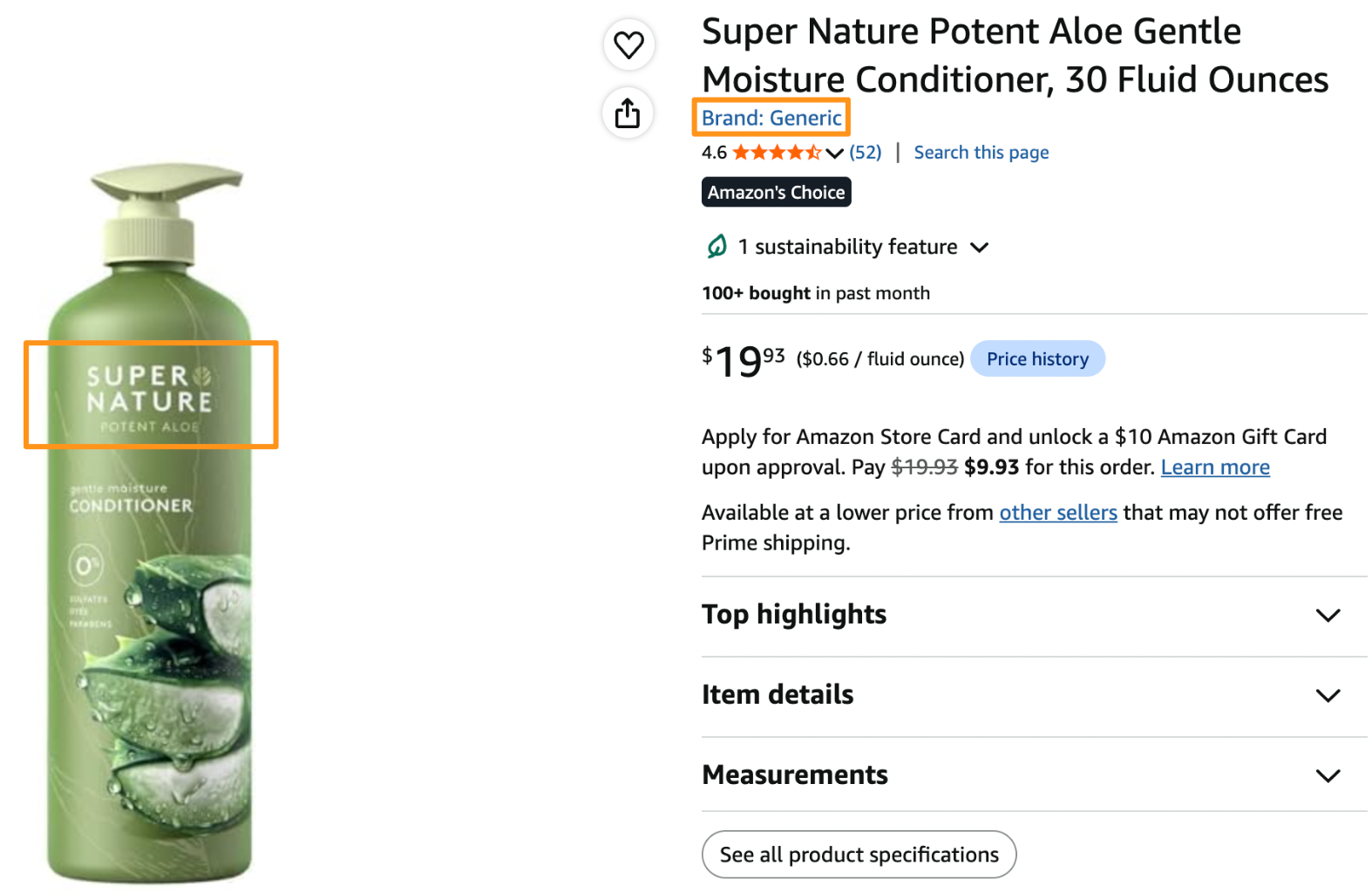
1. Generic Listings with Branded Products
If the Amazon product page tags an item as Generic but the photos clearly show a branded product, stay away. The listing may not have been created with the brand's authorization, and selling on it could lead to policy issues.
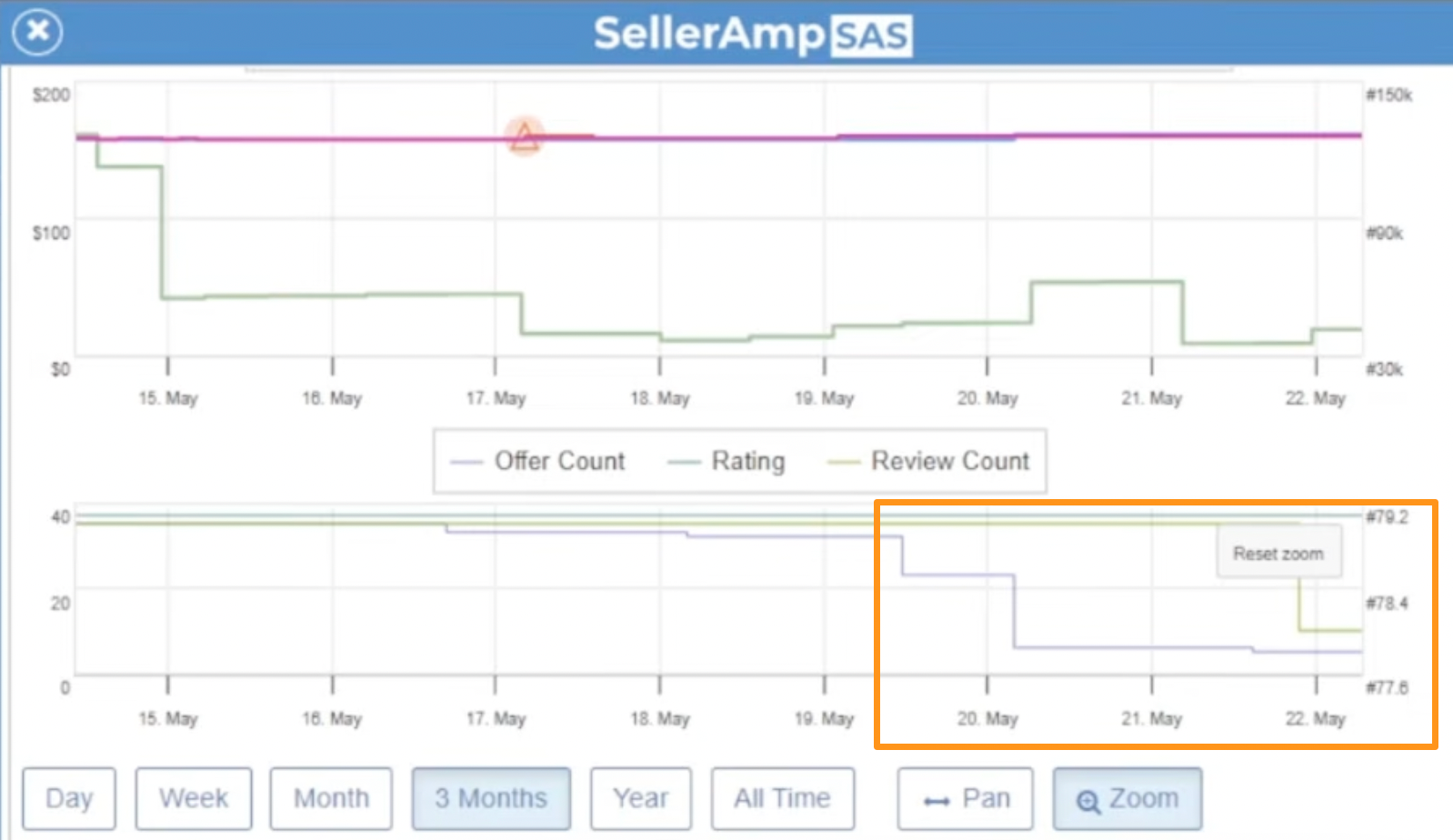
2. A Sudden Drop in Seller Count
Review the listing's history using a tool like SellerAmp. If the seller count has remained steady over time, that's usually a healthy sign. But if it suddenly drops from dozens of sellers to just a handful, the brand may have recently kicked unauthorized sellers off the listing.
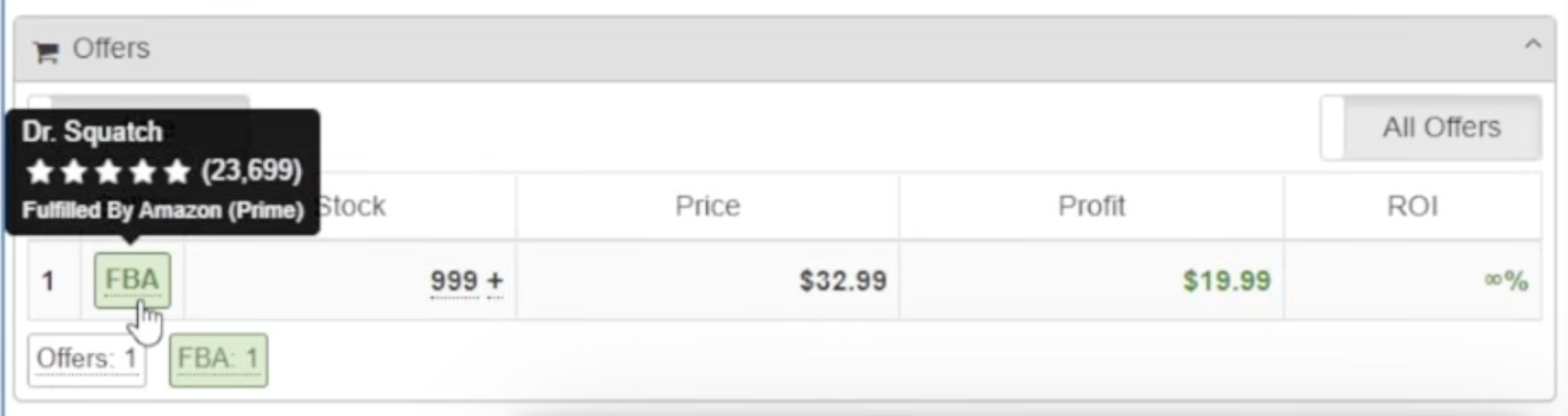
3. The Brand Is the Primary Seller
Another thing to check using a tool like SellerAmp is sales history. If the brand itself is consistently the main seller on the listing, think twice before sourcing it. Many brands actively protect their listings and may take action against unauthorized resellers.
Skip the Coffee Shop Wi-Fi
This final trap has caught entirely compliant, hard-working sellers off guard, but it’s incredibly easy to avoid.
Never check your Seller Central dashboard or log into your Amazon Seller App while connected to a public Wi-Fi network at a place like McDonald's or a local coffee shop.
Amazon’s systems constantly track IP addresses, physical locations, and network connections to link related accounts and detect suspicious behavior. Using a secure home network or your phone's mobile hotspot is the safest way to minimize risk and keep your account secure.
Use AI to Stay One Step Ahead
Amazon's policies can be confusing, especially when you're just getting started.
If you're unsure about a seller policy, listing warning, or sourcing question, ask Boxi AI, Boxem's built-in assistant. It can explain Amazon terminology, answer common compliance questions, and help you make more informed decisions before sourcing or listing a product.
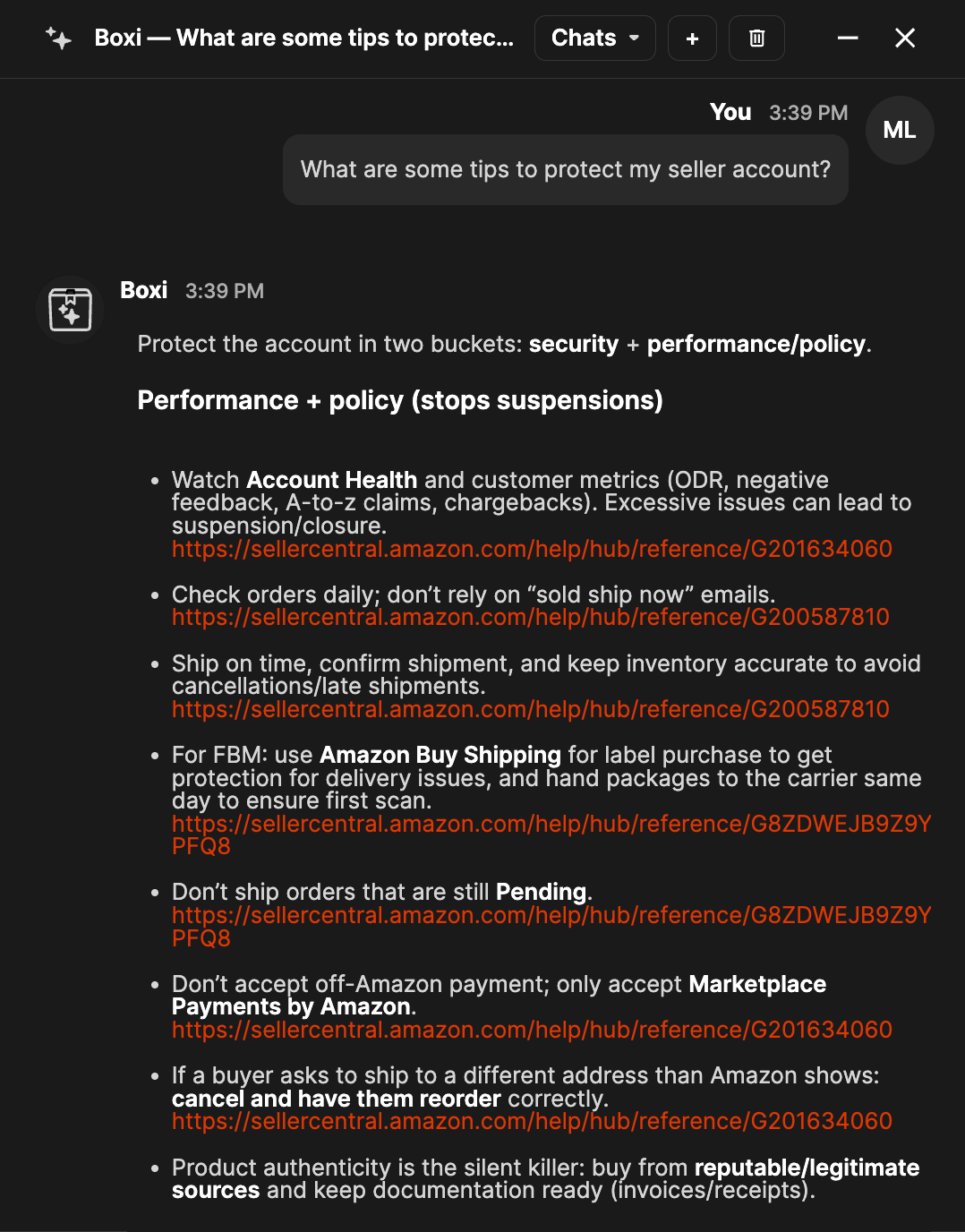
Play the Long Game
Building a successful Amazon business isn't about finding shortcuts. It's about building habits that protect your account over time.
Stick to trusted suppliers, keep your documentation organized, avoid unnecessary risks, and let data guide your sourcing decisions. A healthy seller account is one of your most valuable assets, and protecting it today gives you the foundation to keep growing tomorrow.
Ready to dive deeper? Watch the free YouTube walkthrough to see these tips explained step-by-step:
Subscribe to our Weekly Newsletter
No spam, notifications only about new products, updates.

Get Started Today,
Ship Smarter with Boxem
Boxem streamlines all operations so you can focus on what truly matters.
.png)