How These Amazon Sellers Saved Hours on Amazon FBA Shipment Creation

1
min read
February 19, 2026
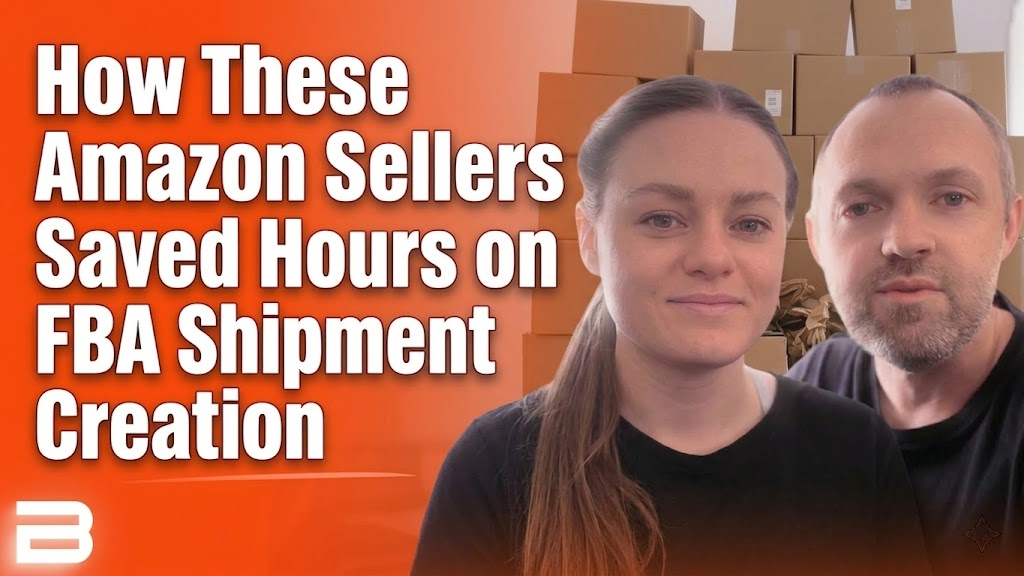
For South Florida sellers Kyndall and Sarah, the launch of their Amazon business in January 2024 was a trial by fire. In the modern world of selling on Amazon, every extra minute wasted shipping or managing inventory is a minute lost on high-margin sourcing.
By pivoting to Boxem, this duo moved to a precision-based workflow. Here is the breakdown of how they streamline FBA shipments to stay competitive.
The Comparison: Seller Central vs. Boxem
Most sellers lose significant margins to "invisible" costs. When using the native "Send to Amazon" workflow, the friction points are measurable:
Solving the "Check-In" Bottleneck
The biggest win for their team was the implementation of automated FBA labels and 2D barcodes. Kyndall said that this specific feature "gets everything checked in much faster than your regular barcode option." For a seller, this translates to:
- Lower Inbound Placement Fees: Boxem-optimized shipments avoid placement fees (averaging $0.06–$0.15 per unit).
- Reduced Lost Inventory: 2D barcodes create a digital twin of the box contents, making it harder for items to disappear during receiving.
Real-Time Profit Tracking: The Margin Protector
Sarah highlighted that the "process itself is just a lot more efficient than using what Amazon has set up for you." This efficiency extends to their real-time Amazon profit tracking.
Instead of waiting for a settlement report to see if a batch was profitable, Boxem allows them to bake in their COGS (Cost of Goods Sold) during the shipping phase. If a shipping sub-total or an unexpected surcharge eats into the 20% margin floor, they know before the carrier picks up the boxes.
The Verdict: Quantifiable Growth
By reclaiming 10+ hours of prep time per month, Kyndall and Sarah have effectively gained a full workday back. That time is reinvested into sourcing, where an extra 10 hours can lead to thousands in additional monthly revenue.
Kyndall’s takeaway for those on the fence: "You'll be happily surprised by how efficient your FBA shipments can become" when you stop fighting the platform and start using a purpose-built tool. Their experience proves that in 2026, your "back office" software is either a profit center or a lead weight.
Subscribe to our Weekly Newsletter
No spam, notifications only about new products, updates.
.png)

Get Started Today,
Ship Smarter with Boxem
Boxem streamlines all operations so you can focus on what truly matters.
.png)